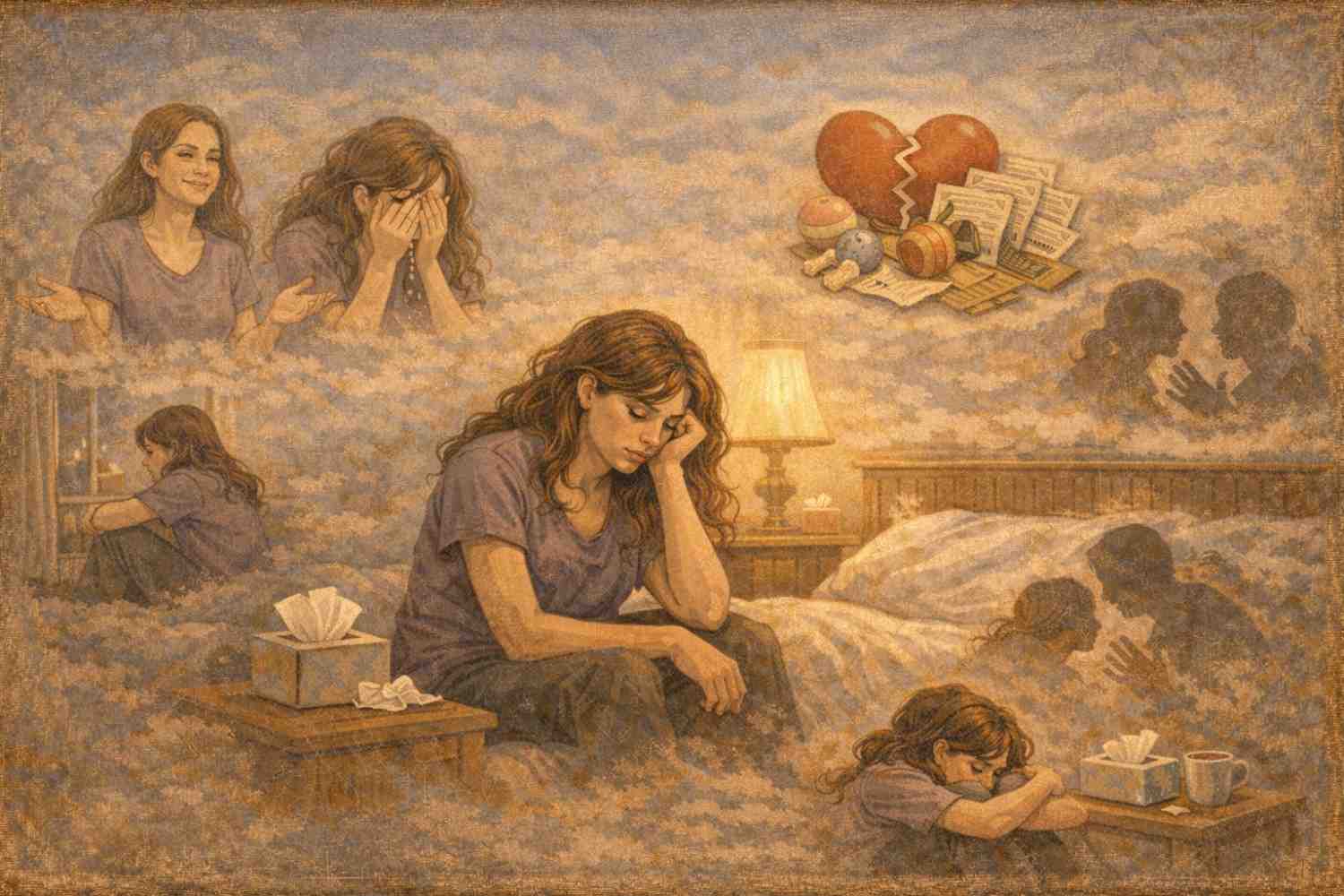
Nobody actually prepares you about the emotions that may follow an abortion. You plan the meeting, the physical recovery but you are not always planning the quiet time after it, when your head begins to re-run everything. You, perhaps, will be glad, and then you will start crying while thinking whether you made the correct choice or not, which may turn out as awfully depressing. Then there is the question, which many people fear to utter aloud and it is: Why am I feeling this way… and is it normal?
The fact is, that emotional responses following abortion are much more frequent and, at the same time, complicated than most individuals think. At this time, women may want to stay alone after coming from abortion clinic Los Angeles. They desire space for everything and simultaneously seek an individual who can endeavour to know how they feel. Therefore, it is normal to feel emotional after an abortion indeed.
Why Can Emotions Be So Mixed?
Hormonal changes associated with pregnancy themselves cause changes in mood, sleep, and sensitivity of emotions. The body experiences another hormonal change when a pregnancy is terminated either through childbirth, miscarriage, or abortion. This in itself is capable of leaving one more tearful, irritable or emotionally vulnerable in the days or weeks following.
But hormones are not completely responsible for all this. Abortion may overlap with individual morals, social norms, interpersonal relations, and future aspirations. Even in case a person realizes that she did the right thing in her life, she can be sad about the circumstances which caused it. She can be relieved and grieved simultaneously after same day abortion Los Angeles.
What Do People Generally Feel Following an abortion?
There is a mix of emotions for every woman and we cannot say the same for all. We can explain it like:
Relief:
One of the most common described emotions is relief. Relief that a challenging circumstance is over with. Relief at the possibility of being able to resume education, work or provide care to children that already exist. Freedom that a health threat was evaded.
Sadness:
Even in cases where the decision was right, sadness may manifest. This sadness need not be of regret but of the situation, when and how, of money and relationship problems or life upheaval of which the pregnancy seemed impossible to retain.
Guilt:
There is occasionally the feeling of guilt or self-doubt, particularly in individuals who have been socialized in such a way that abortion was viewed negatively or avoided. These feelings do not imply that the decision was necessarily bad, it can be simply a message, which is being internalized or fear to be judged.
Loneliness:
Another experience is the feeling of loneliness. A large number of individuals maintain the secrecy of their abortion and this may imply that they endure the post-abortion phase with little emotional or social support. Feelings can be heavier through silence.
There is no emotional checklist that you are supposed to fill. Your experience is your own.
What Research Tells Us
Research has always indicated that the majority of the individuals do not report long-term mental health issues as a direct consequence of abortion. Nevertheless, temporary emotional highs and lows are expected, as much as they occur following major events in life.
What is important in regards to emotional wellbeing is not the process, but the circumstances surrounding it; whether the individual felt supported or coerced into the decision and is able to talk to a person she can trust afterwards.
When Emotions Get out of Control.
Although certain mood changes and emotional swings may be considered as normal recovery, exceptional support is important in some cases like:
- Constant depression that does not subside in a few weeks.
- Uncontrollable guilt or shame that disrupts normal life.
- Trouble sleeping or eating
- Hard to control anxiety or panic.
- Sensually dead or out of touch.
- Suicidal ideation or despondency.
These indicators do not imply that you had done something wrong. They just imply that you should be taken care of and supported just like any other person going through a significant event in life.
The Role of Support – Permission to Have Your Feelings
Listening to someone who will not judge is one of the most protective aspects after an abortion. It could be a spouse, good friend, abortion specialist or support group.
In addition, most individuals think that only one feeling should be experienced after an abortion. When its done, they believe that they are not supposed to be sad and when they are sad, they fear that they have made the wrong decision. Such emotional policing may complicate the recovery.
Rather, it is possible to consider that emotions are information, and not judgments. Grieving does not necessarily mean regretting. The fact that you feel relieved does not imply that you did not make a serious decision. Processing is not a demonstration of wrong or right but of emotions.The process of healing is not merely physical but it is emotional as well.
Moving Forward: At Last
To most people, abortion is an element in their biography, something that did not make them, but a segment that they got through. When time, encouragement, and self-empathy are applied, strong emotions tend to become soft. What is left is usually the better perception of own values, limits, and purpose in life.
So, when you are in need, there is no need to embarrass yourself by seeking assistance. It is an indicator that you appreciate both your mental and emotional health. It does not matter whether you talk to an abortion specialist, a close friend or a support organization, you do not have to keep your feelings all to yourself.