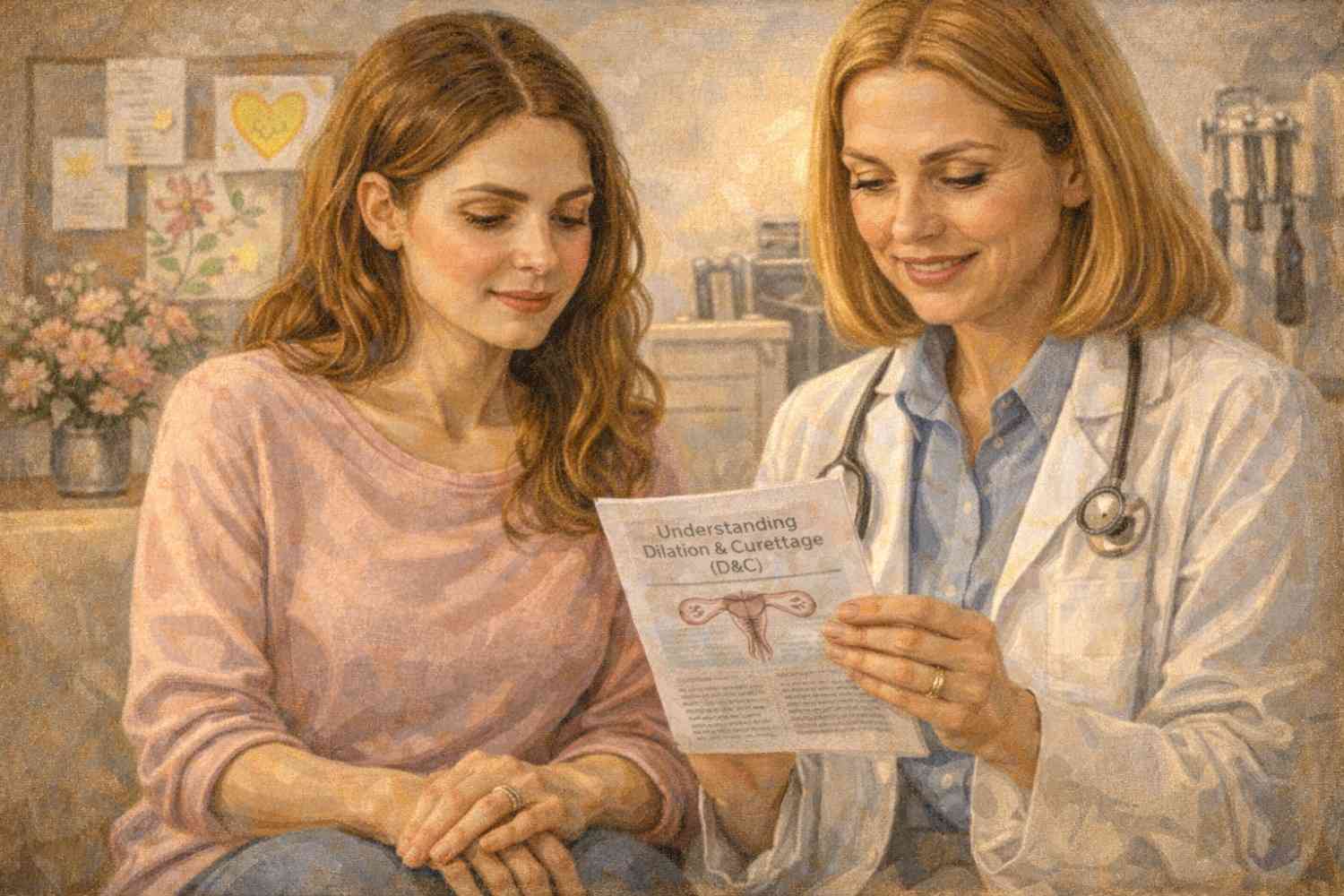

When we talk about healing after a surgical abortion, there come a lot of medical terms starting with bleeding, rest, medication, and ending up with follow up visits. Nonetheless, the journey to recovery is not initiated by a checklist and to do list. It is a long path, which involves the body, mind, and emotions in restoring the balance and adjusting to the new conditions, respectively. This road becomes less unpredictable and much easier to manage especially when a woman knows what to expect in the future.
Now coming to surgical abortion, it is a safe and widely used procedure however, each woman has their own experience with the recovery process. Others are physically okay in less than a day or two whilst others require time. Some experience emotional relief, and others experience complex feelings which develop over time. The healing process has no standard schedule, and it is also a valuable truth that one should learn. But in every condition, you need an abortion provider Los Angeles who can guide you through the whole process and let you know what to expect while you are on the road to recovery.
The Early Days: What the Body Undergoes
During the initial period of the procedure, the body feels some pain and mild to moderate cramping which is associated with the contraction of the uterus back to its normal size. In addition, light to medium bleeding can last a number of days, and this is usually like a menstrual period. These symptoms may seem alarming initially but they are normal aspects of recovery.
Another common issue at this stage is fatigue. Although surgical abortion is not a lengthy process, it causes a physical and emotional burden to the body. Rest is necessary, not a luxury, a necessity. The Los Angeles abortion doctor usually prescribes the avoidance of stressful activities, heavy lifting, and intercourse in the short-term as a measure to prevent infection and aid recovery.
In a week most women experience a lot of physical improvement, the energy levels gradually normalize, pain disappears, and people find it less hard to resume their normal way of life.
The Hormonal Changes and their meaning
The process of recovery is not merely concerned with the healing of the uterus; it is also concerned with the hormones returning to their normal levels . Following a surgical abortion, hormonal changes may cause mood, sleep, appetite, or emotional changes, in the short term. Other women cry tears without understanding the reason. There are those who feel irritable or restless and these are very common changes that tend to end soon.
The menstrual cycles usually normalize in four to six weeks. As per the abortion doctor LA the initial period might be heavier or even lighter than average and cramps would be different. With time, the body adjusts itself to its normal rhythm. Learning of these changes will make women feel confident that they are undergoing a normal course of recovery.
The Emotional Side You Never Train To
Physical healing is usually less evident but emotional healing can be more quiet and complex. Some women are relieved and clear after the procedure but there are those who are sad, grieved or even lost, as most of them have ambivalent emotions that change day in day out.
So, your Los Angeles abortion doctor will tell you how discussing these emotions can be of great use. May it be your trusted friend, partner, counsellor, or support group, you can ease the burden by sharing emotions. On the other hand, silence can turn the recovery process into a longer journey.
When Recovery Requires Additional Assistance?
Even though there is low risk of complications following surgical abortion, the body should be noted to seek assistance when it requires. If the patient complains of persistent heavy bleeding, severe abdominal pain, fever or unusual discharge it is something that needs to be taken seriously. It’s not necessary that these symptoms indicate something life threatening, but it indicates urgent medical attention.
In addition, follow-ups are also important in recovery. They offer reassurance that things are on course to heal and give women a chance to ask questions which might not have occurred to them before. The process of medical care does not finish when the surgery is over, it continues till recovery, and it includes:
Returning to Daily Life
With the regaining of physical strength, a good number of women gradually move out into their daily lives. Work, family life and social life can usually be a way of feeling normal and stable. This recovery stage may be empowering as life starts to become familiar.
Other women feel content with basic self-care practices like walking, writing, meditation, or silent meditation. Others recover well through being active and goal oriented. No template exists on how to move forward. It is all about hearing what you need and respecting your speed.
Restoring Emotional Resiliency
Recovery is not only the process of healing to many women but also the time of personal development. It can be an eye-opening experience when it comes to inner strength and resiliency that can be difficult to see until one faces a surgical abortion and goes through the healing process. Women are taught to make their own choices, to defend their health and to establish such limits that will safeguard their well-being.
Self-compassion has a very strong role to play. Rather than focus on what it might have been, concentrate on what you need now, rest, support, clarity and kindness, etc. in order to make recovery a time of renewal but not a time of regrets.
Silence vs. Enlightenment on Recovery
The silence that is likely to cover recovery is one of the most challenging. Most women are afraid of being judged or misinterpreted and this is why they feel that they need to experience it privately. Still, healing is not an individual thing.
Honest and courteous dialogue about reproductive health make recovery normal and it also reminds women that they are not alone. When the society is given the freedom to speak truthfully, recovery is not only made easy but also healthy.
Maintaining the Future with Optimism
It is not the end of the road to recovery when the physical symptoms have disappeared after surgical abortion. It persists with emotional stability reinstatement and confidence increase. As per the abortion provider Los Angeles, the majority of the women emerge from the experience stronger than ever, more centered around their needs, more in touch with their inner strength.
At Last: Conclusion
We can say that surgical abortions are hard, emotionally as well as physically but, everyone knows that there is always a reason for it. And, then the next chapter starts with recovery that is influenced by knowledge, self-respect and hope. This road with the right information and help is not only a way to healing, but also a way to renew power and tranquility.