
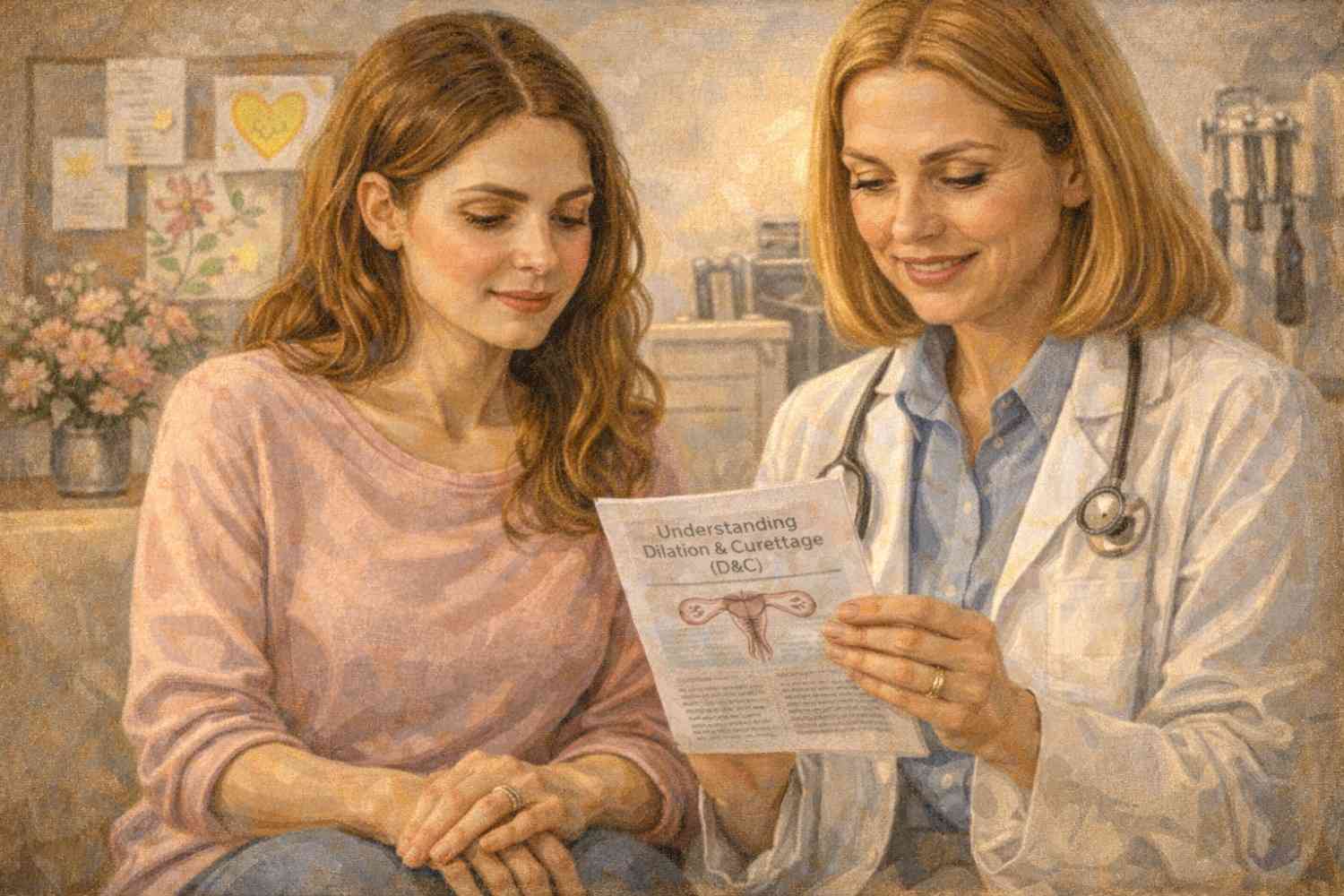
There is no doubt that Dilation and Curettage are much more frightening than the actual process to many women. Sometimes abbreviated as D&C, it is among the medical words that are discreetly passed around hospitals and waiting bays, but still poorly understood. As a matter of fact, it is a safe medical procedure which is specifically for removing the fetus in the uterus. The procedure includes the soft opening of the cervix and emptying of the uterine lining by using special medical equipment. It might have sounded daunting, however, contemporary methods have rendered it efficient, controlled and much less uncomfortable than most people would assume. So, let’s now find out everything about D&C and when you have to find a good abortion doctor Los Angeles who can help you with the whole procedure.
Why Doctors Recommend a D&C
A D&C does not have the purpose of one. It is commonly done in case of miscarriage whereby the body has not driven away the pregnancy tissue fully and this is done to prevent infection and excessive bleeding. In other situations, it is the key diagnostic measure among women with irregular or excessive bleeding. The doctors can take this to explore the hormonal imbalance, uterine polyps, fibroids, or alterations in the uterine lining. In other situations, the post-partum disorder develops as a medical necessity due to the retained placental tissue. This is not so, but the intention is similar, and the primary goal is to care about the lady who undergoes this operation.
The Day of the Procedure: What happens?
The expectation is usually more difficult than the process itself. The majority of women come in anxiously as they do not know what to anticipate and at this moment what can help them is a good abortion specialist Los Angeles . Once admission has been done, anesthesia or light sedation is administered to make the patient comfortable, the cervix is dilated softly and the tissue is removed carefully. The whole procedure normally consumes less than thirty minutes. The fact that it is over in a very short time often comes as a surprise to many patients who know that the fear process has taken longer than the actual procedure. So, if you want to know more about it, it’s better that you find the best abortion doctor Los Angeles who will explain everything to you and clear all your doubts. In addition, let’s not forget the two important aspects of procedure i.e.
Physical Recovery: What the Body Goes through
The post-D&C recovery is usually smooth, except in case of any complication which the doctor will let you know after finishing the procedure. So, light bleeding and mild cramping during several days of time is normal and is comparable to menstrual discomfort. A majority of the women resume normal assignments within a day or two, but doctors advise against strenuous physical activity and sexual intercourse in the immediate future to enable them to heal properly. The menstrual cycles come back in a matter of weeks and this indicates that the body is getting back to its routine.
Emotional Recovery: The Part No One Speaks of
Although the healing process works fast on the physical level, emotional healing may be slow particularly when the procedure is conducted after miscarriage or a loss of pregnancy. Grief, sadness, guilt, or even relief may manifest themselves in unanticipated means. These feelings are not invalid and unusual. Healing is not only medical healing, but about spending time, support, and understanding through a very personal experience. So, if you know someone who may undergo this procedure, do let them know that speaking to your abortion provider Los Angeles can help you handle the emotions to some extent.
Fertility Concerns, Risk and Safety
D&C is a safe procedure that has been done over the decades, and severe complications are unlikely when carried out by experienced professionals. However, just like any other medical procedure, there exist minor risks that include infection or excessive bleeding but they are rare and can be managed. The most common issue is whether or not D&C has an impact on future fertility. In most cases, it does not. The wound of the uterus heals quite well and most women become pregnant and have normal pregnancies. Scarring is only possible in exceptional cases whereby the same procedure is repeated and even then, the contemporary medication can normalize uterine functions. To ensure that you are in safe hands, you must visit the best abortion facility Los Angeles.
The Reason Why D&C Should be Discussed Openly
A factor that makes D&C to be so intimidating is the fact that it is not talked about publicly. It usually can be found in lonely corridors of hospitals and private discussions, even though it is a critical component of women’s health care. It becomes quite evident when it is discussed in a rather honest manner, this procedure is not a sign of defeat, nor it is a sign of weakness, this is an instrument of medicine that will help women get better, move on and be in charge of their health again.
A Stride to Recovery, Not to Worry over
Dilation and Curettage does not state the future of a woman, her fertility and her strength. It is merely a part of an even bigger tale of survival and love. Having the correct data, fear will be confidence and doubt will be knowledge. Once women are informed of what to expect, they make medical choices willingly and not fearfully.
At Last: Conclusion
Finally, D&C proves to be not so mysterious. It is a safe, well-defined treatment that has assisted millions of women all over the globe. The actual difference is not only medical knowledge, but also empathy – both on the part of medical professionals, and on the part of women themselves. D&C, with its knowledge and compassion, is what was always intended to be a step towards healing and something to be feared.
However, with all this information, we should never forget to mention that this contest is for information purposes and does not replace any professional medical advice. All the medical and surgical laws vary by location and it’s important to consult a qualified and experienced healthcare provider before you proceed with any medical procedure.